Select Page

Category: Commercial Security

URN Registration: How to Get Police Response for Your Commercial Intruder Alarm System

URN Registration: How to Get Police Response for Your Commercial Intruder Alarm System

Without URN registration, your commercial intruder alarm won’t qualify for police response. You’ve invested in security, but without this certification, police response depends on resource availability and priorities rather than your system being response-eligible. Here’s exactly what you need to secure URN status and maintain eligibility for police response.

Your URN registration requires your system to meet strict NPCC Security Systems Policy standards. Your alarm must comply with BS EN 50131 and PD 6662 British Standards, be installed by NSI or SSAIB-certified providers and connect to a BS EN 50518-certified monitoring centre with proper alarm confirmation methods. Together, this reduces false alarms to the bare minimum. Otherwise, too many false alarms could revoke your URN status and remove police response eligibility entirely.

That’s exactly what we deliver – systems that meet every standard from day one, with ongoing support that keeps your URN status secure and your police response eligibility active.

The Big Picture

  • URN registration is mandatory for police response eligibility to commercial intruder alarms. Without it, police response isn’t guaranteed and depends on resource availability – even with the most advanced system.
  • Use only NSI or SSAIB-certified installers who guarantee compliance with BS EN 50131, PD 6662 and NPCC Security Systems Policy requirements.
  • Install systems meeting Grade 2 or 3 standards with dual-path signalling and connect to a BS EN 50518-certified monitoring centre.
  • Implement alarm confirmation methods compliant with BS 8243 to minimise false alarms that could result in URN status withdrawal.
  • Conduct proper site surveys to determine appropriate system grade and ensure all user responsibilities per BS 8473 are followed.

What URN Registration Means and Why It Matters for Your Business

Imagine this: Your alarm activates at 2am. Your monitoring station verifies it’s genuine. But without URN registration, police won’t respond based on your system’s eligibility – they’ll assess based on available resources and priorities. Your premises could be vulnerable whilst you arrange a response.

That’s the reality for businesses with non-compliant systems.

A Unique Reference Number (URN) transforms your commercial intruder alarm from a basic security measure into a system that qualifies for immediate police response during a genuine break-in, subject to operational priorities and resources.

Without URN registration, police response to your alarm activations isn’t prioritised and depends heavily on available resources and competing demands.

The URN registration process validates that your system meets rigorous standards that insurers recognise and often require. Alarm reliability becomes essential for maintaining URN status. Excessive false alarms result in URN registration withdrawal, eliminating police response eligibility entirely until rectified.

Working with NSI/SSAIB-certified installers means your system is designed, installed and connected correctly from the start – meeting every NPCC requirement that keeps your URN active and police response eligibility available.

Meeting the NPCC Security Systems Policy Requirements

The National Police Chiefs’ Council (NPCC) Security Systems Policy establishes non-negotiable criteria that determine whether your intruder alarm qualifies for police response.

Your system must demonstrate monitoring compliance through specific technical and operational standards to earn URN status. No compliance means no URN – and no police response eligibility.

The NPCC requires these essential components for police response eligibility:

  • Accredited installer: NSI or SSAIB certification proving competent design and installation
  • Compliant system design: PD 6662 standards with appropriate Grade 2 or 3 classification
  • Certified monitoring centre: BS EN 50518-accredited ARC with 24/7 staffing
  • Alarm confirmation: BS 8243 sequential confirmation reducing false activations
  • Controlled false alarm rate: Maximum permitted activations before URN withdrawal

System integration between detection, signalling and monitoring components must meet BS EN 50136 transmission standards.

Your installer should provide documented evidence of compliance across all elements before commissioning.

Important: The NPCC policy states that police response “will normally be immediate but is ultimately determined by the nature of demand, priorities and resources which exist at the time a request for police response is received and, therefore, cannot be guaranteed.”

Essential British Standards for URN-Eligible Intruder Alarm Systems

Whilst NPCC policy sets the framework for police response eligibility, specific British Standards define the technical requirements your intruder alarm system must meet to achieve URN status.

Core Standards for URN Eligibility

Your system must comply with BS EN 50131 for fundamental system performance and PD 6662 for the UK certification scheme.

BS EN 50131 and PD 6662 compliance form the technical foundation for achieving police response eligibility through URN certification.

These standards guarantee proper grading, detector sensitivity and installation guidelines that insurers and police recognise.

BS 8243 addresses alarm confirmation methods – sequential activation, audio verification or visual confirmation – which dramatically reduces false alarms and protects your URN status.

User Responsibilities Matter

BS 8473 outlines your obligations as the system user. Proper operation prevents chargeable false callouts that could jeopardise police response eligibility.

Ask your NSI/SSAIB-certified installer to specify exactly which standards your system meets on the commissioning certificate.

Choosing the Right System and Monitoring Station

Before selecting monitoring pathways, you’ll need to establish the appropriate system Grade based on your insurer requirements and business risk profile.

Your system grade determines monitoring architecture requirements and URN eligibility under the NPCC Security Systems Policy.

Grade 2 systems suit standard commercial premises with basic security needs, whilst Grade 3 addresses higher-risk environments requiring enhanced detection and signalling resilience.

We conduct thorough site surveys to determine the appropriate grade for your premises and specify monitoring architecture that matches your operational requirements.

Your choice directly impacts:

  • Dual-path signalling requirements – Grade 3 typically mandates IP primary with cellular backup
  • Detection coverage levels – perimeter, area and spot protection specifications
  • Confirmation methods – audio verification, sequential activation or visual confirmation
  • ARC processing standards – BS EN 50518 for ARC certification for alarm handling procedures
  • Insurance premium calculations – higher grades often secure better rates

Match your monitoring architecture to operational requirements, not budget constraints.

Working With NSI/SSAIB-Certified Providers to Secure Your URN

Since URN registration determines whether police can respond to your intruder alarms based on eligibility rather than just resource availability, you’ll need an NSI or SSAIB-certified provider who understands the NPCC Security Systems Policy requirements inside out.

As a fully accredited provider, we deliver exactly this – ensuring your system meets PD 6662 standards and maintains police response eligibility.

What Certified Installers Deliver

These accredited professionals ensure your system meets PD 6662 standards and includes proper alarm verification methods like BS 8243 sequential confirmation.

They’ll specify the correct Grade (typically 2 or 3), design dual-path signalling where required and connect you to a BS EN 50518-certified ARC.

Your Provider Must Provide Evidence of:

  • Current NSI/SSAIB certification covering intruder systems
  • ARC partnership with documented BS EN 50518 accreditation
  • Signal transmission specification meeting BS EN 50136
  • Commissioning certificates declaring PD 6662 compliance
  • User training protocols aligned with BS 8473

Ask potential providers to demonstrate their URN approval track record and current false alarm rates.

Before You Go

You’ve invested in security to protect your business, employees and assets. Don’t let technical gaps compromise that protection.

As accredited installers, we ensure your system meets every NPCC requirement, maintains PD 6662 compliance and connects to certified monitoring that prevents false alarms. More importantly, we keep your URN status active so police response eligibility is maintained when genuine threats emerge.

Your URN registration isn’t just paperwork. It’s what ensures police response eligibility rather than leaving it entirely to chance based on available resources.

Ready to secure your URN status? Contact us to see exactly how we’ll get you registered and keep you protected.

Celebrity Home Invasions Are on the Rise: Could Your High-Value Property Be Next?

Celebrity Home Invasions Are on the Rise: Could Your High-Value Property Be Next?

A celebrity home invasion might sound like something from a streaming thriller – but it’s happening in real homes, to real people, across the UK. For high-net-worth individuals, it’s an increasing and very real threat.

In February 2025, four masked intruders stormed the Essex home of Michelle Keegan and Mark Wright. The couple were at home. They locked themselves in the bedroom as burglars searched the property. The intruders fled after hearing shouting – but the shock lingers long after the crime.

It’s the kind of moment no homeowner wants to experience. And it proves that even a secured, high-profile home isn’t immune.

What the Headlines Are Telling Us

Footballers, actors and public figures are increasingly falling victim to organised criminal gangs. Often, they’re away. Often, the home already has security. And still, the breaches happen.

From Jack Grealish’s £1 million jewellery theft to Tamara Ecclestone’s record £25 million burglary, celebrity home invasions are making headlines at an alarming rate. Sophisticated criminals are studying, planning and executing targeted break-ins with chilling precision.

In Wales, an intruder breached the castle walls of I’m a Celebrity… Get Me Out of Here!’s filming location, Gwrych Castle while the show was actively being filmed with celebrities in residence. Despite strong visibility and security, the trespasser reached the castle walls before being intercepted. It shows how confidence in basic systems can lead to complacency, even at high-profile locations under media spotlight.

It’s Not Always Celebs on the Receiving End

And in East Sussex, a former actor broke into a family home in Peasmarsh, tied up a 14-year-old boy and stole valuables. This time, the home wasn’t famous – but it was clearly seen as an easy target. The result was trauma for a young child and a clear reminder: any perceived wealth can put a home on the radar.

The common thread? Criminals are planning. They’re adapting. And they’re not just targeting the famous. They’re targeting homes that look valuable, visible and vulnerable. This isn’t about celebrity. It’s about visibility, vulnerability and value. If your home ticks any of those boxes, it could be on someone’s list.

What Effective Security Really Looks Like

If you’re living in a high-value property, assume it’s a target – because sophisticated criminals may do.

A good security system isn’t just about what you have installed. It’s about how all the components work together, in real-time, to keep you safe.

Let’s break it down:

  • Layered: No single solution is enough. You need protection at every level: physical, digital, behavioural and procedural.
  • Maintained: That shiny smart system from five years ago? It’s only effective if it’s been serviced, tested, updated – and all of that documented.
  • Comprehensive: Good security doesn’t stop at the front door. It includes gates, upstairs windows, garages, outbuildings – even the cybersecurity of your smart devices.
  • Professionally Monitored: Real-time human response matters. Whether through a 24/7 ARC or private patrol, someone must act when systems are triggered.

Anything less provides a false sense of security.

Why Layered Security Matters

Modern criminals don’t rely on luck. They use tactics. They test weak spots. That’s why your protection needs to be layered:

  • Physical Barriers: Reinforced doors, windows, gates and fences delay access and deter casual threats.
  • Smart Surveillance: AI-powered CCTV, motion sensors and smart doorbells provide real-time alerts.
  • Controlled Access: Keyless entry, intercoms and access logs help you manage who comes and goes.
  • Panic Room: For some homes, a discreet, secure space could buy vital minutes during a worst-case scenario.
  • Smoke Screen Protection: Rapid-deployment fog systems fill the area in seconds, blocking visibility and forcing intruders to flee.
  • Professional Response: On-site teams or remote responders reduce the time between alert and action.

Don’t Rely on Tech Alone

Smart devices are only as good as the network they operate in. If you’re not regularly updating firmware, testing integrations or reviewing alerts, you’re creating the illusion of safety – not the reality.

Even the most advanced systems fail when neglected. Poor passwords, untested sensors and forgotten software updates are exactly what criminals count on.

Routine vulnerability assessments aren’t a luxury. They’re your early warning system – catching weaknesses before someone else does.

Build a Security Culture

Great security systems are only part of the solution. You also need secure behaviour:

  • Don’t post holidays or location updates on social media until you return home
  • Train family and staff on what to do during an alarm
  • Update access codes regularly and track who has them
  • Review procedures after any staffing or household changes

Security isn’t just a system. It’s a mindset. Is your family prepared?

Align with Insurance Requirements

Premium home insurance providers expect premium protection. If you want to qualify for extensive cover – and ensure any claim is paid out – your security needs to have:

  • Professionally installed AND MAINTAINED alarm and CCTV systems
  • Regular maintenance logs
  • Continuous 24/7 monitoring by an approved provider

And in some cases:

  • Panic rooms or safe zones

Insurers will check whether you’ve held up your end of the deal. If you haven’t, your claim could be at risk and you could lose your payout.

What to Do Now: Key Takeaways

  • High-value homes – celebrity or not – are prime targets
  • Modern criminals exploit both tech and behavioural lapses
  • No single system is enough; layered defence is vital
  • Maintenance, monitoring and mindset all matter
  • Your insurer expects proof – not promises

Final Word: Don’t Wait Until It’s Too Late

Celebrity home invasions aren’t just headline stories. They’re warnings. And while the homes might be famous, the risks aren’t limited to celebrities.

If you’re living in a high-value property, assume it’s a target -because sophisticated criminals already do. Don’t wait until your family feels unsafe or your peace of mind is shattered.

A layered, well-maintained, and professionally supported security setup is no longer optional – it’s essential.

Book a professional security review today.
Because when criminals strike, you won’t get a second chance.

Tackling the Growing Business Challenge of False Alarms

Tackling the Growing Business Challenge of False Alarms

To tackle false alarms effectively, you’ll need a multi-layered approach focusing on prevention and compliance. Start by upgrading to smart sensors with dual verification technology, implement thorough staff training programmes and maintain regular system checks. False alarms cost UK businesses over £1 billion yearly and risk losing police response through URN suspension. By following proper protocols and investing in modern solutions, you can protect your business and guarantee emergency services remain responsive when truly needed.

Understanding the Scale of False Alarm Disruptions

Three key factors make false alarms one of today’s most disruptive business challenges: their frequency, their financial impact and their effect on emergency service relations.

You’re likely experiencing these disruptions firsthand. When outdated systems or poorly trained staff trigger false alarms, you’ll face escalating consequences.

The London Fire Brigade now charges £290 plus VAT after 10 false alarms annually, while lost productivity costs UK businesses a massive £1 billion each year!

False alarms cost UK businesses dearly – from direct charges by emergency services to billions lost in workforce productivity annually.

Even more concerning, repeated false alarms can lead to:

  • Suspension of emergency service response
  • Higher insurance premiums
  • Staff complacency during real emergencies
  • Damaged customer confidence
  • Unnecessary evacuation costs

The Hidden Costs and Financial Penalties

While the disruption of false alarms creates immediate operational headaches, the financial toll often catches businesses off guard.

You’ll face stiff penalties from fire services – London Fire Brigade charges £290 plus VAT after your tenth false alarm, while West Yorkshire’s charges kick in after just four incidents.

The broader impact on your bottom line is severe.

Consider these hidden costs:

  • Lost productivity from unnecessary evacuations
  • Damage to customer confidence and reputation
  • Potential insurance premium increases
  • Risk of losing police response through URN suspension
  • Staff morale and efficiency impact

Don’t wait for penalties to stack up – invest in proper maintenance and training now.

Regulatory Framework and Compliance Requirements

In the domain of managing alarm systems, you’re facing a complex web of regulatory requirements that demand careful attention. You’ll need to maintain a valid URN to guarantee police response, which means keeping false alarms below three incidents per year.

Meeting compliance standards requires consistent system maintenance, proper documentation, defined reporting protocols and recognised industry certifications. In short:

  • Regular system maintenance and testing
  • Staff training documentation
  • Incident reporting procedures
  • Certification from recognised bodies like NSI Gold or BAFE

Failure to meet these standards can result in:

  • Loss of police response
  • Insurance coverage issues
  • Potential enforcement actions
  • Financial penalties in certain jurisdictions

Stay compliant by implementing robust maintenance schedules and thorough staff training programmes.

Impact on Emergency Services and Response Times

False alarms create a devastating ripple effect across emergency services, stretching already limited resources to their breaking point.

When responders divert to false calls, they can’t assist genuine emergencies, potentially costing lives and property.

Consider these critical impacts on emergency services:

  1. Response times to real emergencies increase by up to 20 minutes or more when units are tied up with false alarms.
  2. Each false alarm costs taxpayers approximately £300 in wasted resources.
  3. Emergency service morale drops considerably after responding to repeated false calls.

You’ll help protect essential emergency resources by maintaining your alarm systems and training your staff properly.

Strategies for Minimising False Alarm Occurrences

Since preventing false alarms requires a multi-layered approach, you’ll need to implement several proven strategies to protect your property and maintain emergency service relationships.

Start by upgrading outdated systems to modern technology that includes smart sensors and remote monitoring capabilities. Establish a thorough staff training programme focusing on proper system operation and response protocols. Schedule regular maintenance checks to identify and fix potential issues before they trigger false alarms.

  • Install dual-verification sensors
  • Document all system activations
  • Create clear escalation procedures
  • Conduct monthly system tests
  • Partner with certified security providers

These steps will greatly reduce false alarms while maintaining your property’s security integrity.

Modern Solutions and Technological Advancements

Modern technology has revolutionised the way we detect and prevent false alarms through advanced verification systems and smart analytics.

You’ll find these innovations have transformed traditional security systems into intelligent solutions that help protect your business while reducing costly disruptions.

  1. Smart sensors now differentiate between genuine threats and harmless environmental factors using AI-powered algorithms.
  2. Video verification systems allow real-time confirmation of alerts before emergency services are dispatched.
  3. Mobile integration lets you monitor and manage your system remotely while receiving instant notifications with detailed incident data.

These advancements don’t just prevent false alarms – they provide you with actionable insights and greater control over your security infrastructure.

Before You Go

Taking control of your false alarm challenges isn’t optional – it’s essential for your business’s success. You’ve now got the knowledge to implement effective solutions, from staff training to system upgrades. Don’t wait for penalties or damaged relationships with emergency services to force your hand. Start your false alarm reduction strategy today, and you’ll create a safer, more efficient workplace while protecting your bottom line.

Time to Take Control

False alarms are more than a nuisance. They can cost you time, money, compliance, police response and even your insurance cover. But it doesn’t have to be that way.

Call us today. We’ll make sure your bottom line is no longer threatened by false alarms!

Commercial Intruder Alarm Servicing in the UK

Commercial Intruder Alarm Servicing in the UK


Your commercial intruder alarm system needs professional servicing to meet UK regulations BS EN 50131 and BS 4737. You’ll need systematic checks of PIR sensors, door contacts, and control panels, along with regular testing of communication paths and battery health. Working with accredited security providers guarantees reliable maintenance and can reduce insurance premiums by 5-20%. Understanding the key components and maintenance requirements will help you maximise your system’s protection and compliance benefits.

Key Takeaways

  • Professional alarm servicing must comply with BS EN 50131 and BS 4737 standards, requiring certified technicians to perform maintenance and inspections.
  • Regular maintenance includes testing PIR sensors, door contacts, control panels, and communication paths while documenting all findings for compliance.
  • Service providers must hold NSI or SSAIB accreditation and maintain proper liability insurance to perform commercial alarm servicing.
  • Annual maintenance contracts typically cover routine inspections, emergency callouts, and certification requirements for insurance compliance.
  • Professional servicing can reduce insurance premiums by 5-20% when systems are properly maintained and documented according to standards.

The Regulatory Framework for Commercial Alarm Systems

For commercial intruder alarm systems, you’ll need to navigate a complex web of regulations and standards that govern their installation, maintenance and operation.

Your primary focus should be meeting regulatory standards and ensuring continuous compliance throughout the system’s lifecycle. Specific British Standards include BS EN 50131 for alarm systems and BS 4737 for installation requirements.

Regular inspections and maintenance are essential to maintain compliance. Importantly, working with accredited security companies will help you meet these requirements.

Key Components of Professional Alarm Servicing

Professional alarm servicing encompasses several critical components that you’ll need to address systematically during maintenance visits.

All of your alarm system components, including PIR sensors, door contacts and control panels, must be serviced to ensure each function efficiently. At the same time, regular testing of communication paths, battery health and signal strength is essential for reliability.

Your servicing frequency should align with insurance requirements and risk assessments, typically ranging from quarterly to annual visits.

During each inspection, your accredited intruder alarm servicing engineer must clean sensors, update software, and verify that all zones are reporting correctly. He will document your findings thoroughly to maintain compliance and track your system’s performance.

Common Issues and Maintenance Requirements

While maintaining commercial intruder alarms, there are several common issues that require immediate attention. Malfunction signs often include false alarms, sensor failures and battery depletion.

Your engineer will inspect wiring connections for signs of wear, check backup power systems and calibrate sensors to prevent false triggers.

When servicing these systems, all findings and adjustments, your engineer will document everything to maintain a thorough service history.

Insurance Implications and Compliance Benefits

Getting your commercial intruder alarm professionally serviced will help to keep your insurance company happy.

You’ll need to ensure your alarm system meets specific certification requirements and standards, which vary by insurance company, but always include regular inspections and maintenance by certified technicians.

Legal Certification Requirements

You’ll need to verify your system meets current certification standards, which include regular inspections and documentation of maintenance procedures.

Your legal obligations extend to having competent technicians perform upgrades and servicing.

These requirements aren’t just bureaucratic formalities for the sake of it. They’re essential to protect your business from liability and verify that your security system remains effective.

Meeting these standards also strengthens your position should you need to make an insurance claim.

Choosing a Qualified Alarm Service Provider

When selecting a qualified alarm service provider, you’ll need to carefully evaluate several key factors to guarantee your commercial security system receives competent maintenance and support.

Begin with thorough accreditation verification and researching your service provider’s reputation.

  • Check their NSI or SSAIB accreditation status
  • Review customer testimonials and case studies
  • Verify their public liability insurance cover
  • Confirm response times and emergency service availability
  • Examine their training certificates, industry experience and track record

Your security system protects valuable assets and people, so partnering with a qualified provider isn’t just about compliance… it’s about ensuring reliable, professional service that keeps your business secure.

Cost Considerations and Service Agreements

The financial aspects of your commercial intruder alarm servicing require careful consideration to avoid unexpected costs. When evaluating service pricing, you’ll need to account for routine maintenance, emergency callouts and potential system upgrades.

Review contract terms carefully before signing any service agreements. You’ll want to understand response times, what’s covered under routine maintenance and any additional charges.

Look for flexible payment options and guarantee the agreement includes regular system testing and certification. And don’t forget to check cancellation policies and minimum contract periods.

Summing Up

While regular alarm servicing might seem like a costly overhead, it’s your business’s essential lifeline against security breaches. You’ll find that professional maintenance from an accredited provider guarantees compliance, reduces false alarms and prolongs the useful life of your system. By investing in professional commercial Intruder Alarm servicing now, you’re protecting both your immediate security and long-term financial interests. Don’t wait for a break-in to reveal system weaknesses, proactive maintenance is your smartest defence.

Professional Fire Detection for Warehouses

Professional Fire Detection for Warehouses

Warehouses present unique fire safety challenges. With high ceilings, dense storage, and varying materials, creating a reliable fire detection strategy requires careful planning. But the stakes couldn’t be higher—your employees, assets, and business continuity depend on it.

The right fire detection system can protect your team, comply with UK fire regulations, and provide peace of mind. From beam detectors for large spaces to aspirating systems for high-value inventory, every choice matters. Let’s explore the key considerations for safeguarding your warehouse.

Key Takeaways: Choosing and Maintaining Warehouse Fire Detection Systems

  • UK regulations mandate comprehensive fire detection under the Regulatory Reform (Fire Safety) Order 2005.
  • High-ceilinged warehouses benefit from beam detection technology, offering cost-effective coverage.
  • HSSD (High-Sensitivity Smoke Detection) systems provide ultra-early detection, which is ideal for warehouses with valuable inventory or critical operations.
  • Storage configurations and material flammability impact detection system placement and effectiveness.
  • Regular maintenance is essential to ensure your system functions reliably and complies with fire safety standards.

Understanding UK Fire Safety Regulations

Under the Regulatory Reform (Fire Safety) Order 2005, warehouse operators must implement adequate fire detection and protection measures. The law requires you to appoint a Responsible Person to oversee compliance, conduct regular fire risk assessments, and maintain thorough records.

These regulations aren’t just about ticking boxes—they’re about protecting lives. A well-designed fire detection system is the cornerstone of compliance, helping to mitigate risks and ensure the safety of everyone in your facility.

Tailoring Fire Detection to Your Warehouse

No two warehouses are the same. Ceiling heights, ventilation systems, and storage configurations all influence fire detection strategies. Conducting a comprehensive risk assessment is the first step toward identifying the right solution.

  • Beam Detection: Ideal for large warehouses with high ceilings, beam detectors use infrared technology to monitor smoke particles across wide spaces. They provide cost-effective coverage but require precise alignment and regular maintenance to prevent false alarms.
  • HSSD Systems: Aspirating smoke detection systems actively sample air for smoke particles, offering ultra-early warnings. These systems are invaluable for warehouses housing high-value or irreplaceable items, ensuring swift action before a fire spreads.

The Role of Warehouse Design in Fire Detection

Warehouse design can either enhance or hinder fire detection. For example:

  • High Ceilings: Smoke disperses differently in large vertical spaces, requiring specialized detectors like beam or aspirating systems.
  • Dense Storage: Tightly packed inventory can create blind spots, preventing smoke from reaching detectors. Adjusting placement to accommodate racking systems ensures comprehensive coverage.
  • Ventilation Systems: Airflow patterns can disperse smoke, making it harder for detectors to sense fires. A strategic layout and the right technology counteract this challenge.

Maintenance: The Backbone of Fire Safety

Even the most advanced fire detection systems are only as effective as their maintenance schedules. Regular servicing not only ensures compliance but also protects your team and assets.

  • Weekly Inspections: Check for visible damage or obstructions to devices.
  • Monthly Alarm Tests: Verify control panel functions and sounders.
  • Quarterly Professional Servicing: Certified engineers assess system performance and address potential issues.

Proactive maintenance prevents costly breakdowns and keeps your system ready when it matters most.

When Advanced Technology is a Must

Certain warehouses require more than standard fire detection. For example, facilities storing perishable goods, pharmaceuticals, or sensitive electronics benefit from aspirating systems. These systems excel in environments with:

  • High airflow: Where traditional detectors struggle.
  • Critical operations: Requiring uninterrupted business continuity.
  • High-value inventory: Demanding ultra-sensitive smoke detection.

Combining advanced detection with robust maintenance gives you the best chance of avoiding disruption and loss.

Emergency Preparedness and Compliance

Fire detection systems aren’t just about identifying fires—they’re integral to your emergency response strategy. Modern systems integrate seamlessly with evacuation protocols, offering features like:

  • Automatic activation of sprinkler systems.
  • Control of access points to direct traffic during emergencies.
  • Generating muster reports to account for personnel during evacuations.

Meeting UK compliance requirements, including the Fire Safety Order and BS 5839, ensures your warehouse is both safe and legally sound.

Investing in Fire Safety: Cost vs Value

While fire detection systems represent a significant investment, the value they provide is immeasurable. Consider the long-term benefits:

  • Reduced Insurance Premiums: Many insurers offer discounts for compliant fire systems.
  • Business Continuity: Preventing fire damage protects your operations.
  • Asset Protection: Early detection minimizes losses and reduces downtime.

Work with certified professionals to ensure your system is designed and installed to meet your facility’s unique needs.

Your Safety Strategy Starts Here

Fire safety for warehouses requires more than off-the-shelf solutions—it demands a tailored approach that addresses your facility’s unique challenges. From choosing the right detection system to maintaining it with care, every decision counts.

By investing in advanced technology and regular maintenance, you’re not just meeting regulations—you’re protecting lives, assets, and the future of your business.

Is your warehouse ready for the unexpected? Let’s make sure it is.

Why You Need A Professional Access Control Installation in Your Commercial Building

Why You Need A Professional Access Control Installation in Your Commercial Building

To safeguard your commercial building, professional access control installation offers more than just basic security. It transforms the way you manage and protect your space. From enhanced security to streamlined operations and cost savings, professional access control systems offer tailored solutions to meet your business needs.

Whether you’re looking to prevent unauthorised access, improve employee management, or integrate systems like CCTV and HVAC, professional installation ensures your system is designed, installed, and maintained for optimal performance. This article explores the key benefits of professional access control systems, how they work, and why they’re a smart investment for any commercial building.

Key Takeaways: Why Your Business Needs Access Control

  • Comprehensive Security: Protect your building with 24/7 monitoring and real-time visibility across all access points.
  • Streamlined Employee Management: Simplify attendance tracking, working hours, and permission controls for different staff levels.
  • Cost Efficiency: Reduce costs by eliminating key management and integrating your system with existing infrastructure.
  • Enhanced Emergency Response: Improve safety with features like lockdowns, evacuation routes, and emergency overrides.
  • System Integration: Connect with CCTV, fire alarms, and HVAC for a fully automated security ecosystem.

Enhanced Security and Protection: The Foundation of a Safe Workplace

At its core, an access control system serves as your building’s first line of defence. It doesn’t just monitor who enters and exits… it actively prevents unauthorised access and mitigates threats. By relying on advanced technologies like keyless entry and real-time monitoring, access control systems create a secure environment where employees can focus on their work without worrying about security breaches.

Professional installation ensures that your system is customised to your building’s specific requirements. That’s from the number of access points to the sensitivity of alerts. Imagine knowing that only authorised personnel can access sensitive areas like server rooms, financial offices, or storage facilities. And unwanted visitors are kept out. With real-time alerts, you can take swift action whenever irregular or suspicious activity is detected.

Streamlined Workforce Management: Simplify Operations and Boost Productivity

Access control systems don’t just protect your building, they make managing your workforce easier and more efficient. Features like attendance tracking, automated schedules and permission settings allow you to monitor employee movements. And ensure they have access to the areas they need. No more, no less.

This level of control improves accountability, eliminates delays at entry points and allows you to adapt quickly to changes in staffing or roles. For example, if a new hire joins your team or an employee’s role changes, permissions can be updated instantly without the hassle of physical keys.

Streamlining access management not only reduces administrative burdens but also builds a sense of security and organisation among your employees. Creating a productive and focused work environment.

Cost Savings That Go Beyond the Bottom Line

While the upfront cost of professional access control installation might seem high, it’s an investment that pays for itself. By eliminating traditional key management systems, you save on expenses like rekeying locks, replacing lost keys and staffing for manual access control.

Operational efficiency also improves, as automated systems reduce the need for human intervention during shift changes or visitor management. Additionally, integrating access control with systems like HVAC and lighting allows you to optimise energy use by ensuring they operate only when areas are occupied. This may lower utility bills but also aligns with your sustainability goals.

With fewer security breaches, better asset protection, and reduced staffing needs, your access control system becomes a long-term cost-saving solution.

Real-Time Monitoring: Stay Connected Wherever You Are

One standout benefit of modern access control systems is real-time monitoring. Whether you’re on-site, at home, or travelling, you’ll have complete visibility over your building’s security. You’ll love the instant alerts and live notifications.

Imagine receiving a notification about unauthorised access to a restricted area. Then being able to respond immediately. Either by locking down the area or granting temporary access to a trusted individual… all from your smartphone! This level of control is empowering. It ensures that you’re always connected to your building’s security, no matter where you are.

For businesses with multiple locations, real-time monitoring allows you to manage all sites from a single interface, improving oversight and enabling quicker responses to potential issues.

Emergency Preparedness: When Seconds Matter

During emergencies, access control systems become invaluable tools for ensuring safety. Integrated systems can automatically open doors, disable barriers and create clear evacuation routes for employees and first responders.

You can even pre-program responses for different scenarios, such as fire evacuations or lockdowns during security threats. So your building is always prepared. Mustering reports provide real-time data on personnel movements, allowing you to account for everyone in the building during a drill or actual emergency.

This level of preparedness not only complies with safety regulations but also demonstrates your commitment to protecting your staff and visitors.

System Integration: Building a Smarter Ecosystem

Modern access control systems are designed to integrate seamlessly with other building technologies. Creating a unified safety and management ecosystem. From CCTV and fire alarms to HVAC and elevator controls, integration streamlines operations and enhances both security and efficiency.

For example, your access control system can:

  • automatically shut down elevators during a fire
  • adjust ventilation in high-traffic areas
  • verify alarm triggers with CCTV footage.

This level of automation reduces manual effort while ensuring your building operates safely and smoothly.

By working together, these systems provide a comprehensive view of your building’s operations, empowering your team with greater control and insight.

Data-Driven Insights: Turn Security into Strategy

Beyond security, access control systems provide valuable data that can inform broader business strategies. Detailed analytics on foot traffic, peak usage times, and access trends help you optimise everything from staffing levels to space allocation.

For instance, understanding which areas see the most activity can help you decide where to allocate resources or identify vulnerabilities that need extra attention. This data not only enhances security but also supports operational efficiency and smarter decision-making.

Safeguarding Your Business with Professional Access Control

Access control systems aren’t just about keeping people out. They’re about creating a safe, efficient and well-managed environment… that supports your business’s success. From enhanced security and workforce management to cost savings and emergency preparedness, the benefits of professional installation are clear.

By choosing an expert provider, you’ll gain a system that adapts to your needs, integrates seamlessly with your building’s infrastructure, and delivers long-term value. Take the first step toward a smarter, safer future for your commercial building.

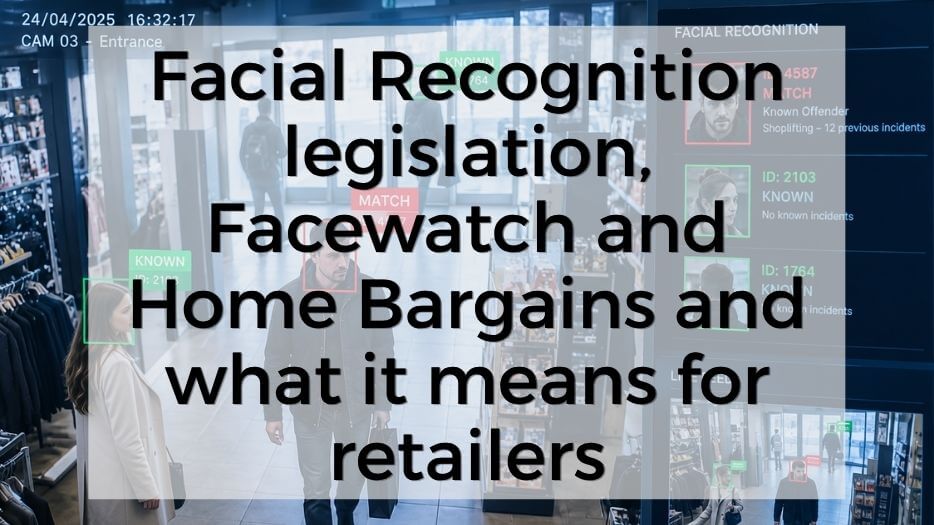
Using Facial Recognition Technology for Business

Using Facial Recognition Technology for Business

Facial Recognition Technology (FRT) is revolutionary. Business operations are improved forever by enhancing security, improving customer experiences and streamlining processes. Of course, with new tech, there are ethical implications to ensure responsible usage. But…

Imagine the implications of automatically identifying known shoplifters before they steal anything. FRT is no longer restricted to James Bond movies.

Using FRT in Retail – not just security

Retailers use facial recognition technology to enhance security, streamline operations and… personalise customer experiences. Here’s how

  • Enhancing Customer Experience: FRT can identify loyal customers, allowing retailers to offer tailored discounts or offers.
  • Combating Crime: By recognising known shoplifters, FRT helps reduce theft. Retailers can receive instant alerts when a flagged individual enters the store, allowing security to act promptly.
  • Behaviour Analysis: Retailers can analyse shopper behaviour to optimise store layouts and improve product placements. Understanding customer preferences helps in crafting better marketing strategies and enhancing the shopping experience.

While FRT provides significant benefits, it also raises privacy concerns. The technology involves capturing and storing biometric data, which can be intrusive if not handled with strict data protection measures. Retailers must ensure transparency in how they collect and use customer data to maintain trust and comply with regulations.

Uses of FRT for Access Control in Businesses

Combining access control systems with facial recognition technology enhances safety and streamlines staff entry. You can have hassle-free access without people fumbling for keys, fobs or cards. Your employees can be automatically recognised and granted entry!

  • Improved Security: FRT accurately identifies individuals, reducing the risk of unauthorised access. For example, companies like Huawei use FRT to ensure only authorised personnel can enter sensitive areas such as data centres.
  • Seamless Access: Employees can enter secure areas without fumbling for keys or remembering codes, streamlining entry processes. This not only saves time but also increases overall efficiency and productivity.
  • Attendance Tracking: FRT can automatically track employee attendance, eliminating the need for manual check-ins. This ensures accurate timekeeping and simplifies payroll processes.

Using FRT in your access control system requires careful consideration of privacy issues. Businesses must be transparent about how they use biometric data and ensure compliance with relevant data protection laws and codes of practice (see below).

A Brief Look at Ethical Issues

Facial recognition technology comes with ethical issues. For example, have you considered how easily this tech can be misused? Or how biased it can be?

Real-life controversies highlight the urgent need to address these concerns:

  • Privacy: The technology involves capturing and storing sensitive biometric data, raising concerns about how this data is used and protected.
  • Consent: Individuals must be informed and consent to their biometric data being collected and used.
  • Algorithmic Bias: FRT systems can be bassed. Often misidentifying individuals from certain racial or ethnic groups, even leading to discrimination.
  • Potential for Misuse: Without proper safeguards, FRT can be used for unauthorised surveillance, infringing on personal freedoms.

Real-world examples highlight the ethical complexities and potential dangers of Facial Recognition Technology. Consider the case of Nijeer Parks, who in 2019 was wrongfully arrested in New Jersey due to a flawed facial recognition match. This incident underscores the serious consequences that can arise from inaccuracies in the technology.

Another stark example is China’s Social Credit System, which employs FRT for real-time surveillance of its citizens. This extensive use of facial recognition raises significant concerns about personal freedom and human rights.

Such pervasive surveillance demonstrates how FRT can be misused, highlighting the urgent need for robust ethical guidelines and regulations. This is where the BSIA codes of practice come in…

The New BSIA Code of Practices

The BSIA Code of Practice for facial recognition technology establishes a framework that promotes ethical usage while building public trust in its deployment within businesses. Designed to address ethical challenges, this code prioritises FRT compliance and aligns with BSIA guidelines to guarantee responsible usage. Here’s what you need to know:

  1. Trustworthiness Principles: The code is built on six core principles, including governance, accountability, and privacy. These ethical frameworks guarantee that FRT supports public safety while respecting individual rights.
  2. Comprehensive Approach: The guidelines cover the entire supply chain. From evaluating the need for FRT to its ongoing use. This holistic view helps mitigate risks and empowers businesses to act responsibly.
  3. Operational Ease: Unlike other standards, this non-technical code simplifies implementation. It even includes a metaphorical “stop button” to halt operations if adverse effects arise.

Blake’s: Your Local Fire & Security Partner

At Blake Fire & Security Systems, we understand that securing your premises is about more than just installing the latest innovation in security equipment…

It’s about creating a safe, compliant environment for your business. That’s why, as your local fire and security experts, we’re committed to providing bespoke solutions. Tailored to your unique business circumstances. Here’s what partnering with Blake’s looks like:

  • Bespoke Solutions with a Personal Touch: We conduct thorough site surveys to understand your specific security challenges and tailor your security system to meet those needs. Expect a system that’s a perfect fit for your business.
  • Rapid Response, When You Need It Most: Emergencies don’t wait and neither do we. We can offer swift remote support or, as a local company, we’ll be on-site fast. Your downtime is kept to a bare minimum and your security runs smoothly. So your business is always protected… as far as is humanly possible.
  • Dedicated Support and Seamless Maintenance: We believe in building lasting partnerships. Our ongoing maintenance and support services ensure your security system remains reliable over time. With Blake’s, you’re not just working with a provider; you’re gaining a partner dedicated to the compliance of your business – that’s why we’re accredited to NSI Gold standard. Because of this dedication to accreditation… your Insurance company will stay happy!

Choose Blake Fire & Security Systems for a local company that is Big enough to cope AND Small enough to care! Ensuring your premises are compliant and your people are safe and secure.

Key points for FRT for businesses

Overall, Facial Recognition Technology presents significant opportunities for businesses to enhance security and improve customer experiences. However, it is essential to navigate the ethical landscape thoughtfully. Adhering to frameworks like the BSIA Code of Practice and choosing experienced providers like Blake Fire & Security Systems can ensure responsible and effective use of FRT.

Interested in how Facial Recognition Technology might help your business?

Contact us today to learn more about our installation and maintenance services and how we can help your business harness the power of FRT responsibly.

Hassle-Free Keyholding… Professionals Stop Your Incident Becoming A Catastrophe

As the UK returns to work, there’s far more important things to trouble yourself with than keyholding. But… it’s an item on your to-do list.

Make the wrong keyholding choice and you will put more than a member of staff at risk…

Neglecting your duty of care may leave you open to liability claims… And that’s never welcome especially during these chaotic times.

Here are five things to consider while you mull over your keyholding decision.

read more…

Reopening your shop for business is exciting and long overdue BUT…

What have you done to ensure your new normal ends in smiles NOT tears?

Covid fearful

Staff worried sick. Shielded staff, even more scared. Coming out of lockdown and re-opening to the public is exciting. But frightening too.

Employers are over a barrel. Your duty of care means you MUST only reopen when your shop is safe to do so. When you have done everything reasonable to minimise the risk to staff, visitors and customers…

Or risk falling foul of Employment Law. Of ending up in a tribunal. And even… on the wrong end of a compensation claim!

Employers must:

“…genuinely demonstrate that they have done everything necessary to ensure a Covid-secure workplace
Kathleen Heycock, employment partner at Farrer & Co.

Then you can insist on staff coming to work.

Great. But how? Well, these three important ways intelligent technology plays a critical role in making your shopfloor Covid-secure are a good place to begin read more…